
American Wheatley Solutions
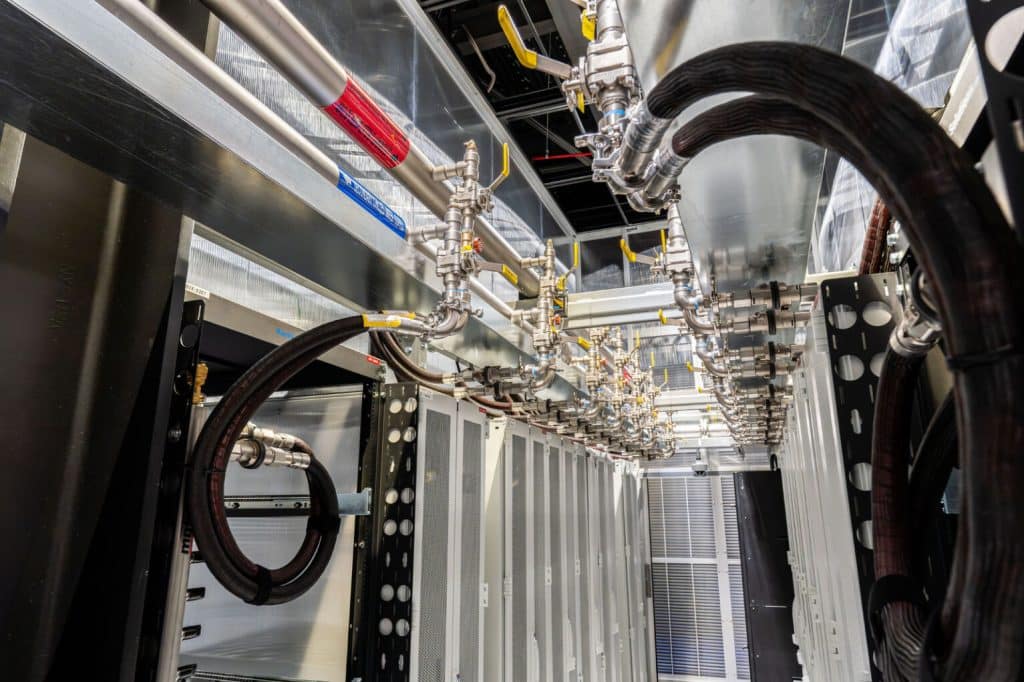
Data center cooling is no longer operating with wide safety margins
AI-driven workloads are increasing rack densities and accelerating the shift to liquid cooling—making thermal systems faster, more sensitive, and less forgiving.
What was once a stable chilled water loop is now a tightly controlled hydronic system, where small changes in flow, pressure, or fluid quality can quickly impact performance—or cause failure.
According to ASHRAE research, liquid cooling enables much faster heat transfer, meaning systems heat up—and must respond—more quickly. At the same time, cooling can account for up to 50% of data center energy use, making efficiency critical.
The stakes are high: cooling failures are a major cause of outages, many exceeding $100,000 per event. Hydronic systems are no longer secondary—they’re essential infrastructure in modern data centers.

Hydronic Systems
Are Critical to Data Center Reliability
Industry standards reflect this shift. ANSI/ASHRAE 90.4 sets energy efficiency requirements for data centers, including mechanical systems like pumps.
At the same time, the Open Compute Project emphasizes scalable cooling, standardized interfaces, and long-term adaptability for liquid systems.
The takeaway: reliable cooling depends on stable flow, clean fluid, and controlled pressure.
Flow Stability
In Data Center Cooling Systems

Fluid Cleanliness and Heat Transfer Efficiency
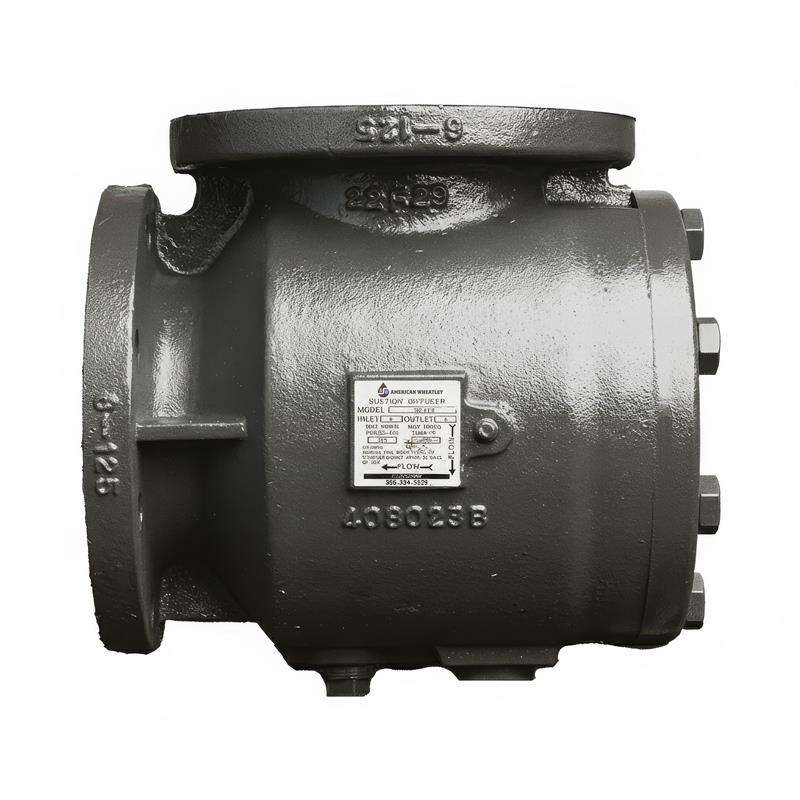
Clean fluid is essential for efficient data center cooling. Air and particulate contamination can significantly reduce system performance.
Research shows that air and dirt in hydronic systems can lead to:
- Inadequate flow
- Reduced heat transfer
- Increased wear on pumps and valves
In liquid-cooled environments, these risks are even greater. Contaminants can foul heat exchangers and cold plates, while entrained air reduces cooling capacity and system stability.
Air and Dirt Separation solutions improve performance by:
- Continuously removing entrained air
- Eliminating fine particulate
- Maintaining long-term system cleanliness
This helps preserve heat transfer efficiency and reduces the likelihood of performance degradation over time.
Thermal Stability in Liquid Cooling Systems
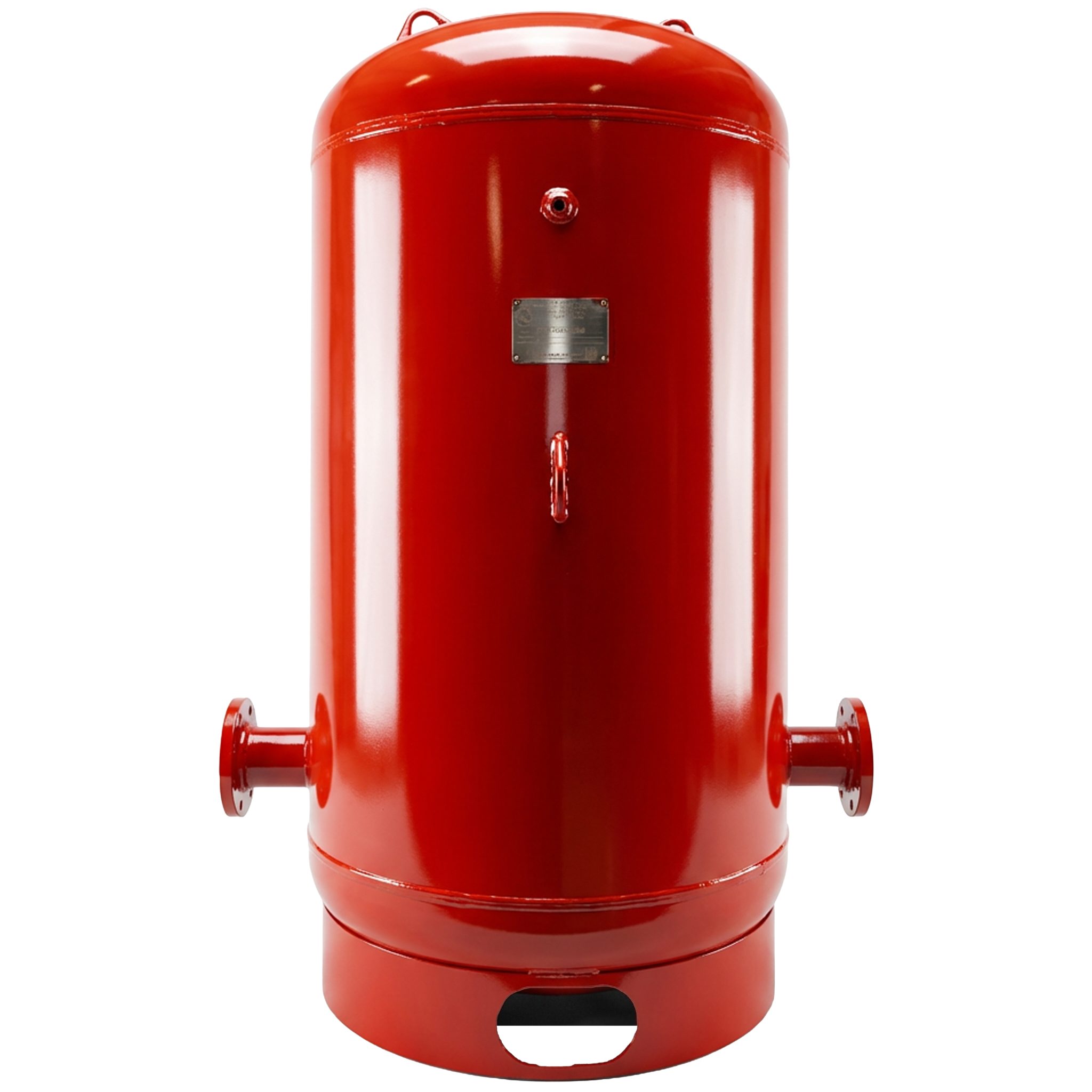
Liquid cooling systems respond quickly to load changes. While this improves performance, it also reduces thermal inertia.
As a result, temperature can rise rapidly during disruptions such as loss of flow events. Without sufficient system volume, there is little time to respond.
Buffer Tanks improve thermal stability by:
- Increasing system volume
- Reducing short cycling
- Stabilizing temperature control
By adding thermal mass, these systems support thermal ride-through and improve overall system resilience.
Pressure Control and System Performance
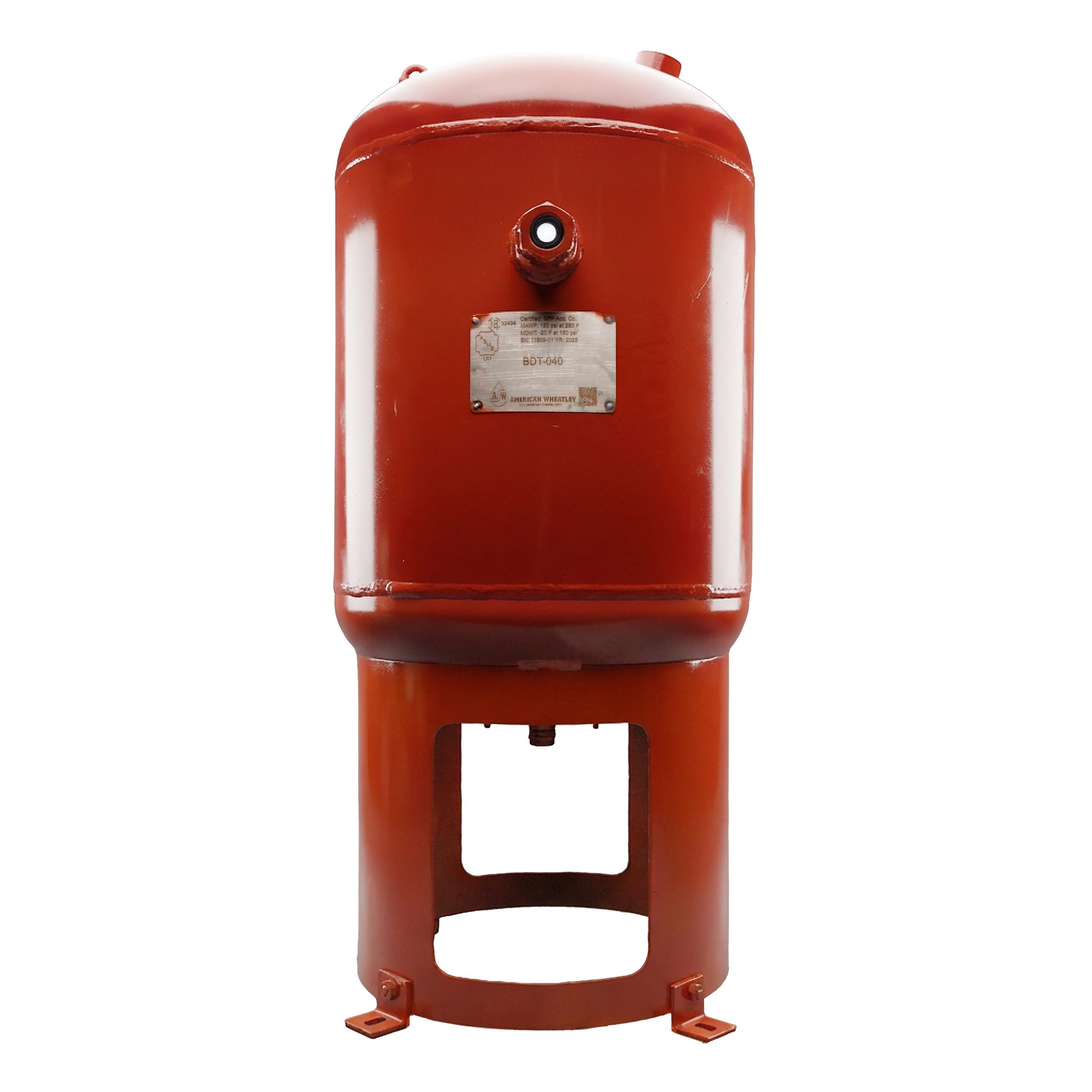
Stable pressure is essential for maintaining reliable hydronic system operation. Pressure fluctuations can lead to cavitation, air ingress, and inconsistent flow.
These issues can quickly impact both performance and equipment life.
Expansion Systems help maintain pressure stability by:
- Regulating system pressure across load conditions
- Reducing stress on pumps and components
- Preventing air entry into the system
Consistent pressure control ensures predictable system behavior and long-term reliability.
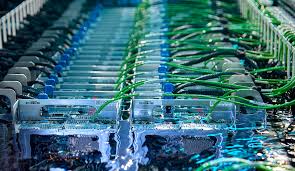
Designing Hydronic Systems for Modern Data Centers
Modern data centers are reshaping cooling design, with trends like prefabrication, tighter spaces, phased expansion, and multi-loop systems.
Without proper planning, these can limit flexibility and drive up long term costs.
Effective hydronic design requires:
- Flexible layouts and connection points
- System-specific sizing
- Materials that maintain long-term fluid quality
The goal: scalable, efficient cooling that adapts as demands grow.
Learn more about tailored solutions here:
Data Centers | American Wheatley